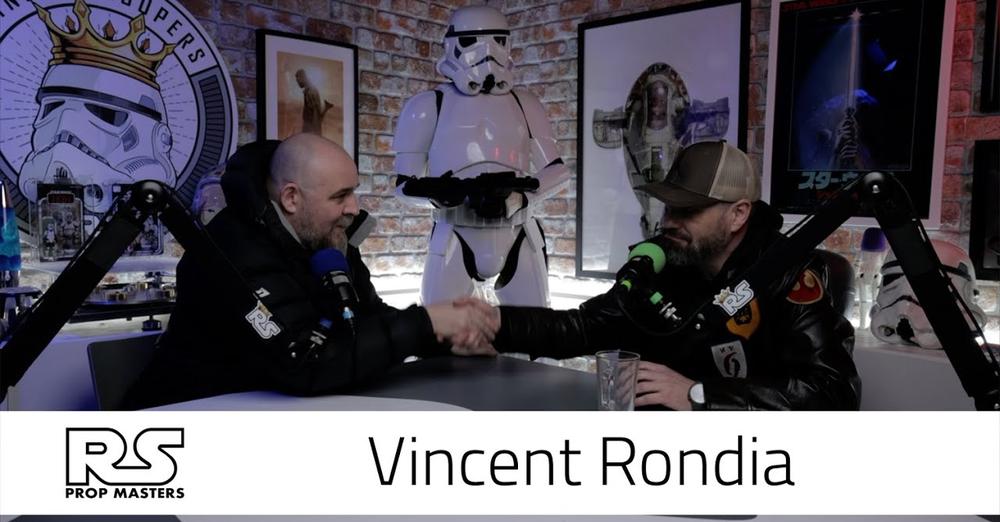
Hi, I’m Dr. Vincent Rondia; not the kind that saves lives, I’m the other kind of doctor. The kind who spent an ungodly amount of time buried in research, chasing answers to questions most people never think to ask. A quest, really, to better understand how society works and what makes us who we are.
When people ask what I do for a living, the short answer is: I run a platform that helps people in the costume community, specifically the Star Wars costuming community, get their hands on hard-to-find, high-quality replica costume parts. Whether they want to build a costume they’ll actually wear or display as collectors, that’s what I’m here for.
The longer answer? Well, that’s where things get complicated.
Behind the scenes, what looks like a simple “buy and sell” operation is actually a sprawling web of disciplines I need to stay on top of. Costume design, from sourcing fabrics to sketching to prototyping. Visual design, Entrepreneurship, Community relations,. It’s equal parts creative practice and deep-dive research: staying current with the latest material releases, tracking what other researchers are discovering, and conducting my own obsessive investigations into characters and prop-making techniques. I’m constantly evaluating new technologies, scouting the right materials, and finding the right supplier to keep pushing quality forward.
Perhaps most importantly, I have to walk the walk. To offer great costumes, I need to be able to build them myself, test them, wear them, and make sure they meet the community’s notoriously high standards for accuracy. That means staying deeply embedded in the community, participating actively, and keeping my finger on the pulse of shifting trends, evolving expectations, and the unique challenges costumers face.
In short, and I say this with love, I’m an overthinker and overachiever. A professional one. Which explains why I spent so much time in academia collecting advanced degrees across a bunch of different fields, eventually graduating as a Doctor of Professional Studies by Public Works (Transdisciplinary). Yeah, that’s a mouthful.
The full thesis, all 207 pages of it (!!) is available as a PDF for the academically inclined.
But for everyone else, I’ve distilled it into a series of posts that are a lot easier to get through. Enjoy!
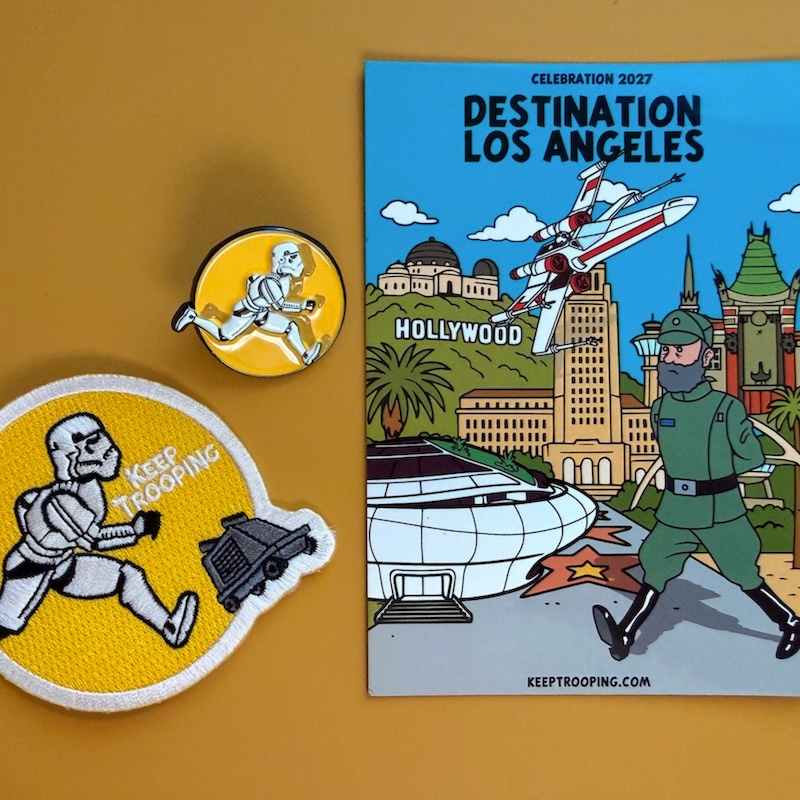
Upon reviewing the findings of my research, it is difficult not to be overwhelmed by a creeping sense of despair and anxiety. This is especially true when one examines the deterioration of human interaction and the corrosive digital impact on our communities. One phenomenon that becomes increasingly evident is the instrumentalisation of nostalgia. In an…

My own positioning within the Costumor-Collector spectrum illustrates the fluidity of these categories. While I frequently advocate for a costumor-oriented approach to simplifying entry requirements to broaden participation, my commercial practice increasingly aligns with the collector orientation. This shift reflects both temporal constraints and sustained dialogue with makers whose dispositions are firmly rooted in archivism.…
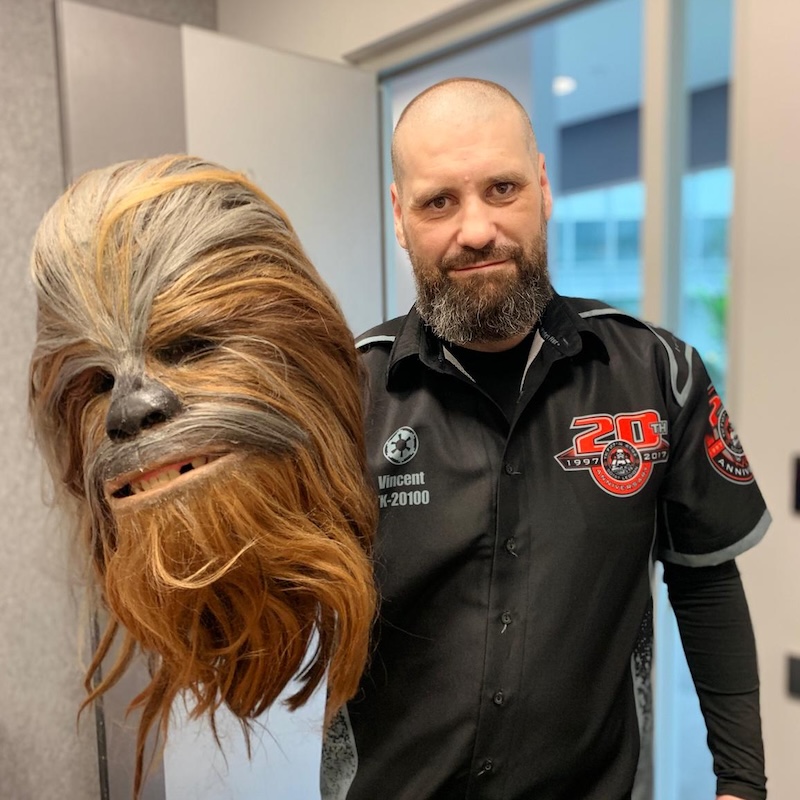
I often joke that watching Star Wars isn’t fun for me anymore—it’s research. I’ll watch a new scene ten times, pausing frame by frame, studying the stitching on a jacket or the exact shade of a boot. Why? Because in my world, accuracy is everything. And accuracy has two temples. The first is screen accuracy.…
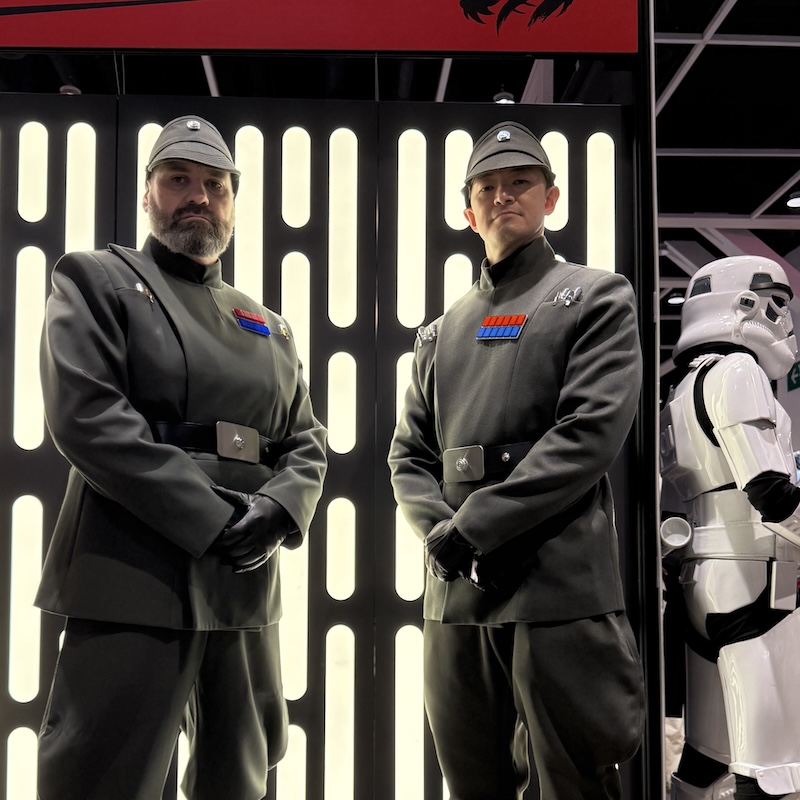
Scholars and psychologists have noted how social media alters human connection. This shift makes opportunities for real-life interactions increasingly important. Big gatherings thus become rare chances for communal experiences. Seen this way, fan conventions are no longer merely commercial events, but vital spaces for reconnecting with our social nature. The certainty of meeting a beloved…
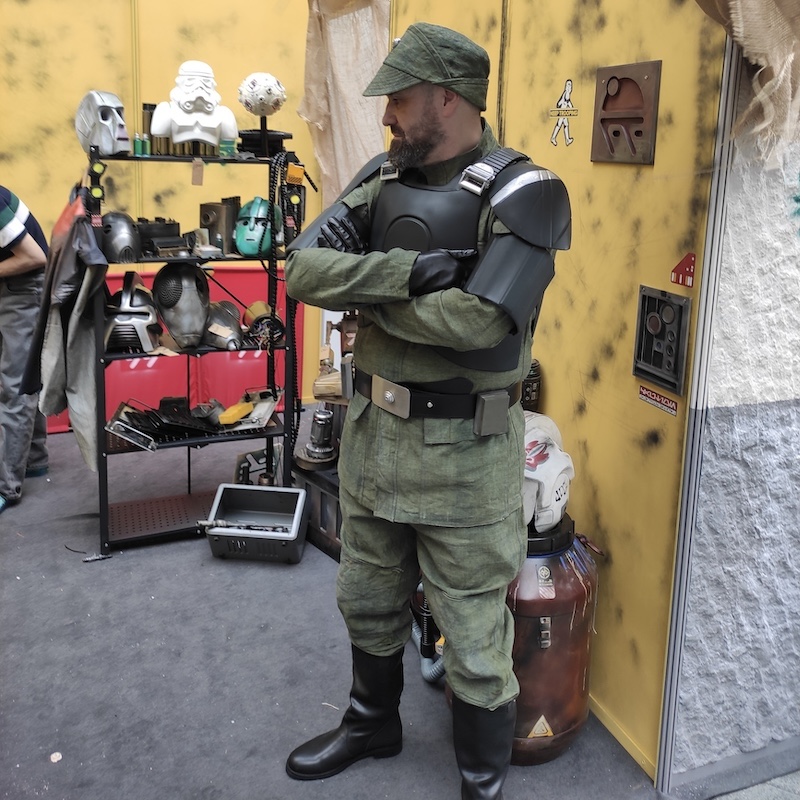
The 501st Legion has about 20,000 members worldwide. That’s a lot of people with strong opinions about plastic armour. Friction is inevitable. But what turns normal disagreement into toxic conflict? The answer is dogma—and how we use it. The Costume Reference Library (CRL) is our bible. It’s a document that tells you exactly how a…
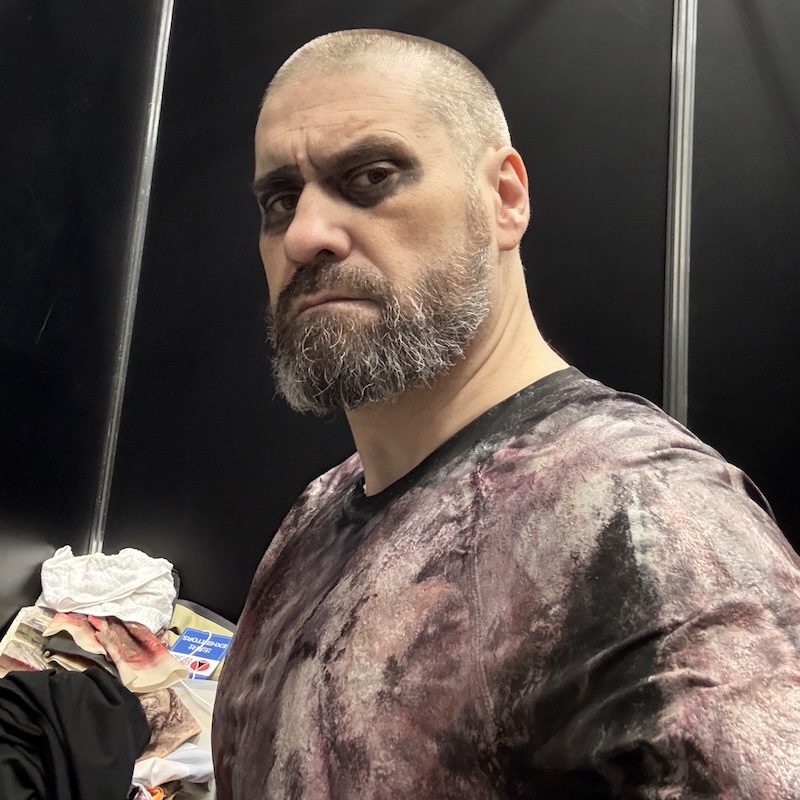
The word “cosplay” comes from Japan in the 1980s, a blend of “costume” and “play.” It started as a playful, interpretive art form—and for many, it still is. But in the Star Wars costuming community, we don’t play. We embody. Adam Savage of Mythbusters once said, “The costumes are how we reveal ourselves to each…
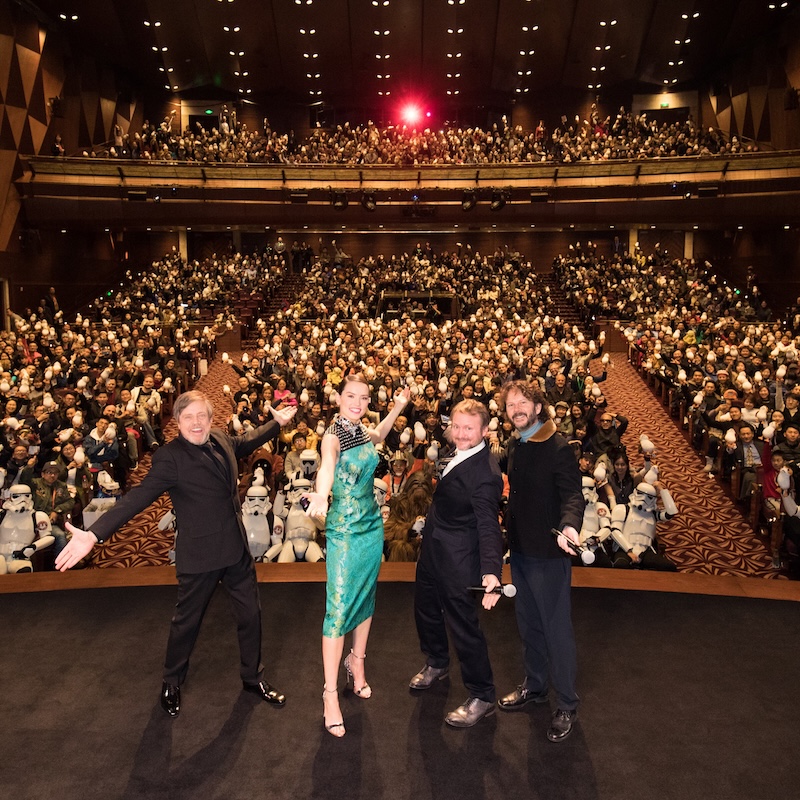
I referenced Flynn’s Fandom Pyramid, which, in my opinion, oversimplifies fandom as a linear journey from casual to superfan. My experience reveals that the superfan top tier is much more intricate, resembling multiple overlapping layers—morphing the model of a simple pyramid into a set of nested Russian dolls. This furthers Booth’s observation that “fan hierarchies…
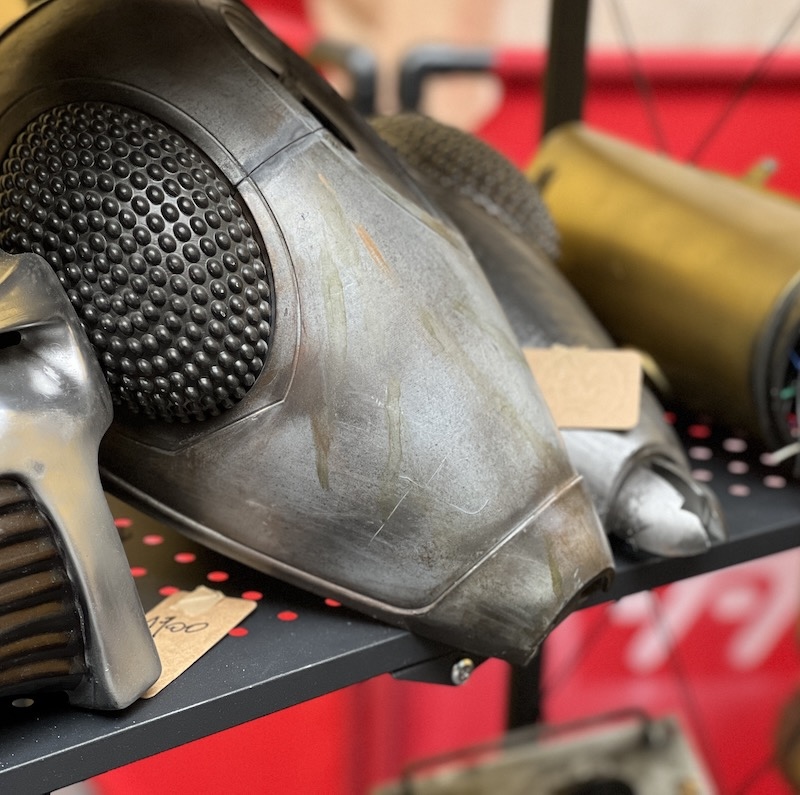
Jean Baudrillard talks of hyperreality, where representations of reality become more influential than reality itself. In this context, online discourse has a greater impact on shaping perceptions of the fandom than in-person interactions, exacerbating divisions and tensions. Fandom experiences a generational trauma, evident in the increasingly toxic behaviours experienced online. As a result, participation in…
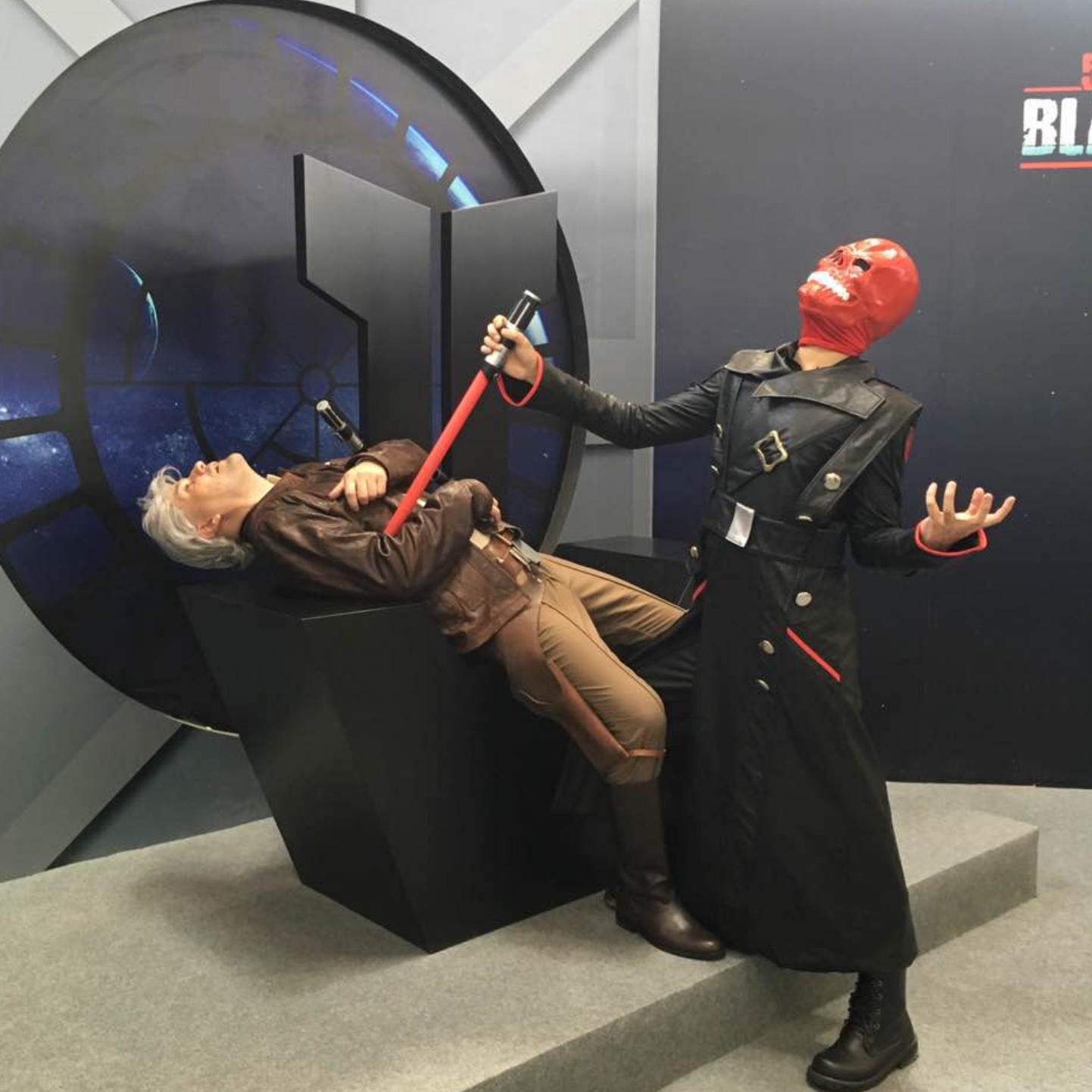
The boundary between our real and digital lives has disappeared—and I’m not sure we can get it back. As a small business owner in this community, I’m constantly balancing my values with the risk of alienating customers. That’s the tightrope many of us walk. Express a political opinion, support a cause, and you might lose…
Fandom used to be simple. You loved something, you bought the toy, you maybe wrote a letter to a magazine. Today? It’s a global, digital machine—and we’re all cogs in it. The “digital flock” is every fan who engages online. Creators make content; consumers digest it. But the line between us has blurred. Henry Jenkins…
Fandoms have evolved from loose gatherings of enthusiasts into vibrant communities that often resemble religious organisations. This transformation has given rise to a form of para-religious culture. In these circles, devotion to a particular fandom doesn’t merely entail enthusiasm—it can approach a level of fervour and adherence often seen in religious movement. Rituals abound. In…
In Return of the Jedi, Obi-Wan says: “Many of the truths we cling to depend greatly on our own point of view.” That line meant as a retcon for a plot hole has become the perfect metaphor for fandom itself.Truth in Star Wars isn’t fixed. It changes depending on who you are, when you joined,…
Dogma is a set of principles laid down by an authority, not up for reinterpretation. In Star Wars, that authority used to be George Lucas. Now it’s Disney. And the canon has become an even bigger battleground.When Disney bought Lucasfilm in 2014, they wiped out most of the old “Expanded Universe” (now called Legends) and…
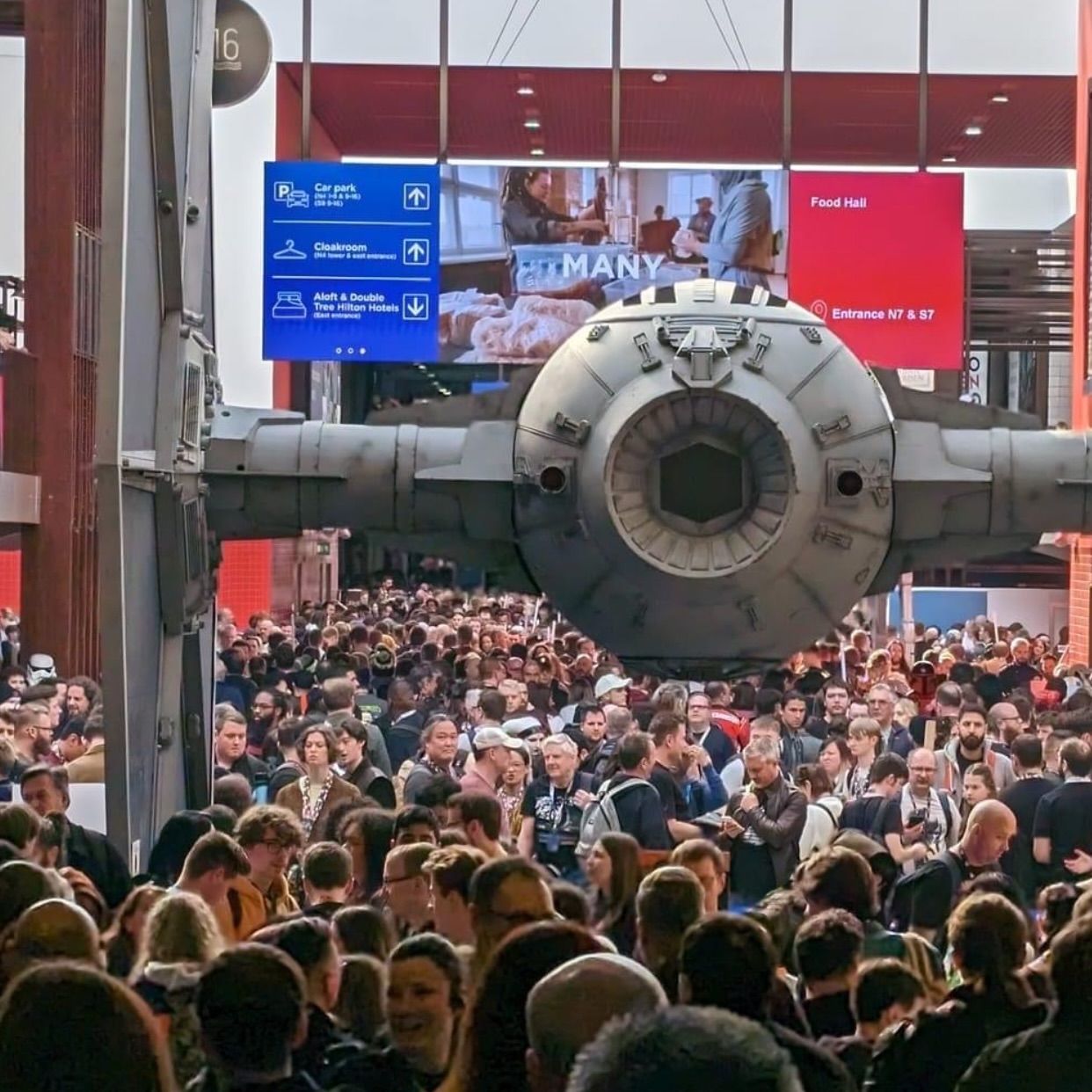
During last Star Wars Celebration in Japan, over 120,000 fans showed up—not for a premiere, not for a sale, but for what can only be described as a pilgrimage. We didn’t just attend an event; we participated in a global ritual. Sociologists have a name for this: they call it a “sacred experience in a…
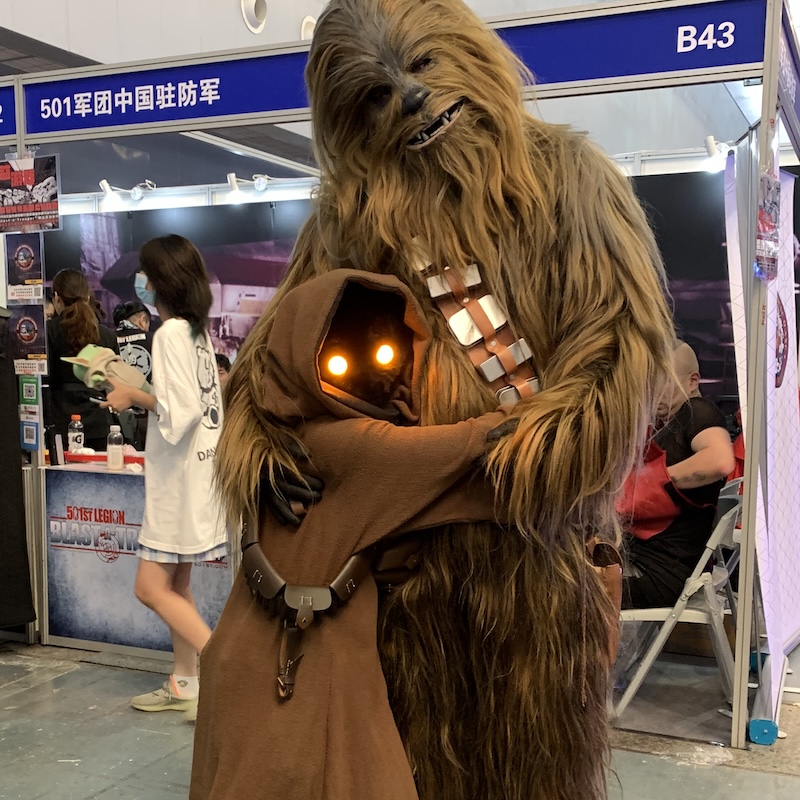
Beyond the five dimensions, sociologist Michael Elliott argues we should stop arguing about whether fandom is a religion and start looking at where the “sacred” shows up. He gives us seven signs. Here’s how they play out in my world It’s not ordinary. For some fans, their devotion is all-consuming. I spent three years on…
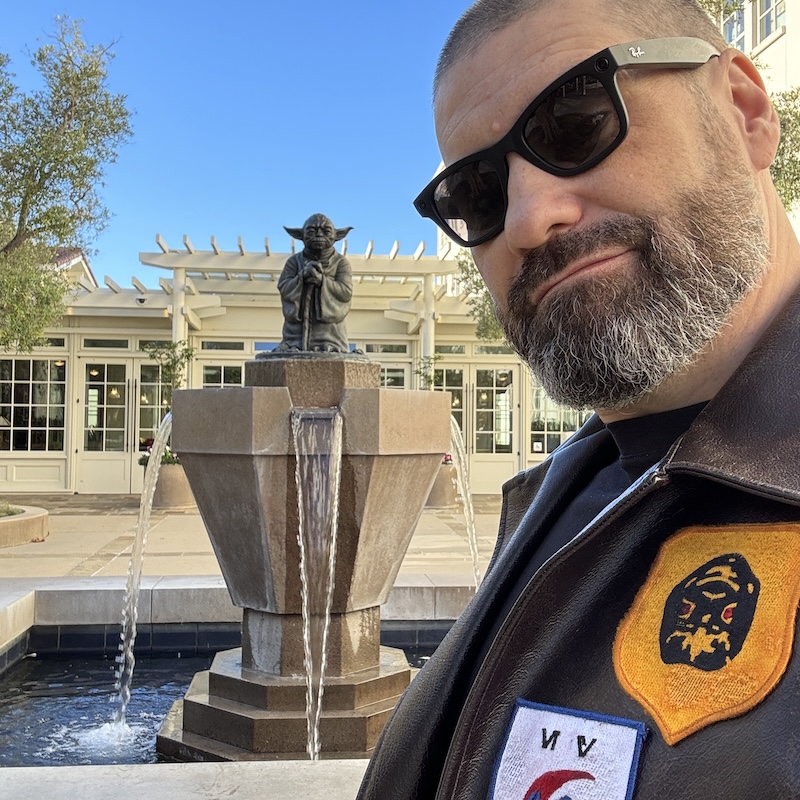
Scholars have been studying religion for centuries. Fandom? That’s relatively new. So to understand what’s happening in communities like mine, researchers use a framework called the “five dimensions of religiosity.” When you map these onto Star Wars fandom, the similarities are uncanny. Belief. Every religion has a creed—a set of truths you’re supposed to accept.…
Continue Reading Your Fandom Is More Like a Religion Than You Think
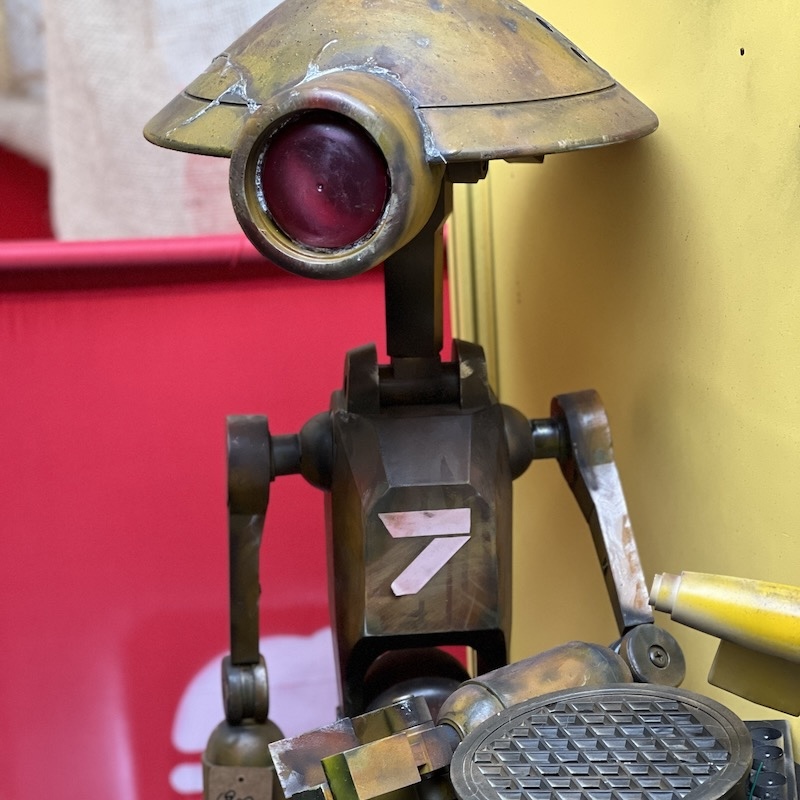
In 2009 a colleague handed me a magazine article about the 501st Legion—a global Star Wars costuming group. I’d never made a costume in my life, but I was running a design college in Singapore with fashion and product departments at my fingertips. I figured, why not? That moment kicked off my journey into a…
Continue Reading Expertise: Skills the Trap of False Authority
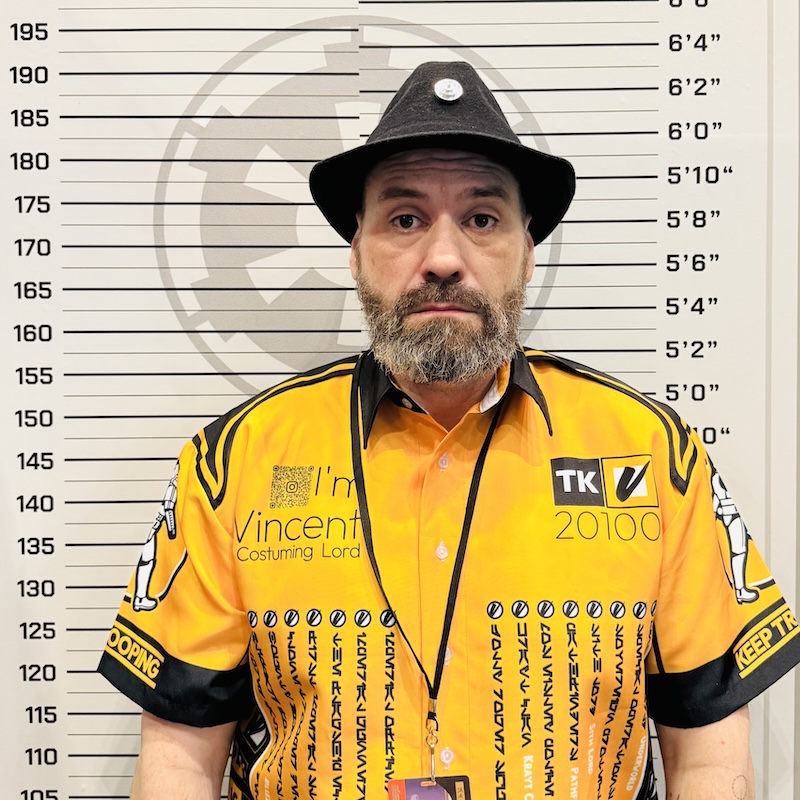
Friends and family think I’m a Star Wars genius. Need to know something about it? Ask me. The truth is, my expertise stops at a very specific line—costume design and screen accuracy. I don’t know everything, and I’m comfortable saying that. Real experts usually are. The problem is, the internet has broken our understanding of…
Continue Reading Everyone Thinks They’re an Expert (Including Me)
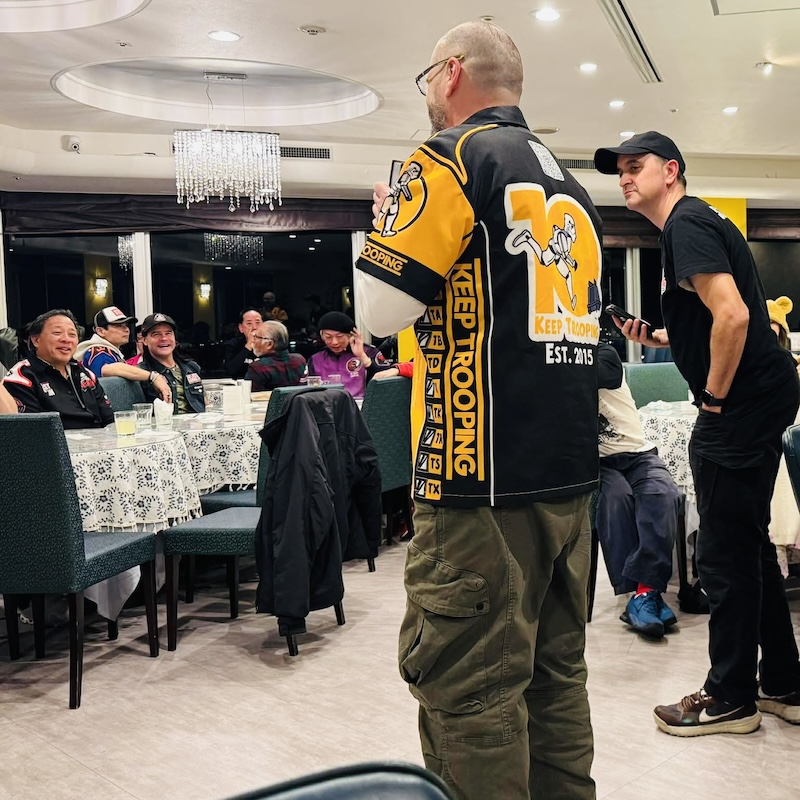
Why would a sane adult spend $5,000 and countless hours making a costume that looks like it came straight off a movie screen? The answer isn’t “because it’s fun.” It’s because fandom fulfils something deep in us. Psychologists call it Self-Determination Theory. We all need autonomy, competence, and relatedness. In costuming, competence comes from mastering…
Continue Reading What Drives Us to Spend Thousands on Plastic Armour

We worry about losing data. Obsolete file formats, dead hard drives, websites that vanish—it’s a real problem. But what if the bigger danger isn’t that we’ll lose information, but that we’ll preserve the wrong version of it? Society has unprecedented access to information, yet people don’t know how to use it. Worse, they don’t know…

I’m what Pat Flynn calls a “superfan.” That means my devotion to Star Wars isn’t just emotional—it’s strategic, financial, and deeply woven into my identity. But even I have to step back sometimes and marvel at what this franchise has become. In the UK’s 2001 census, “Jediism” was recognised as a religion. There are now…
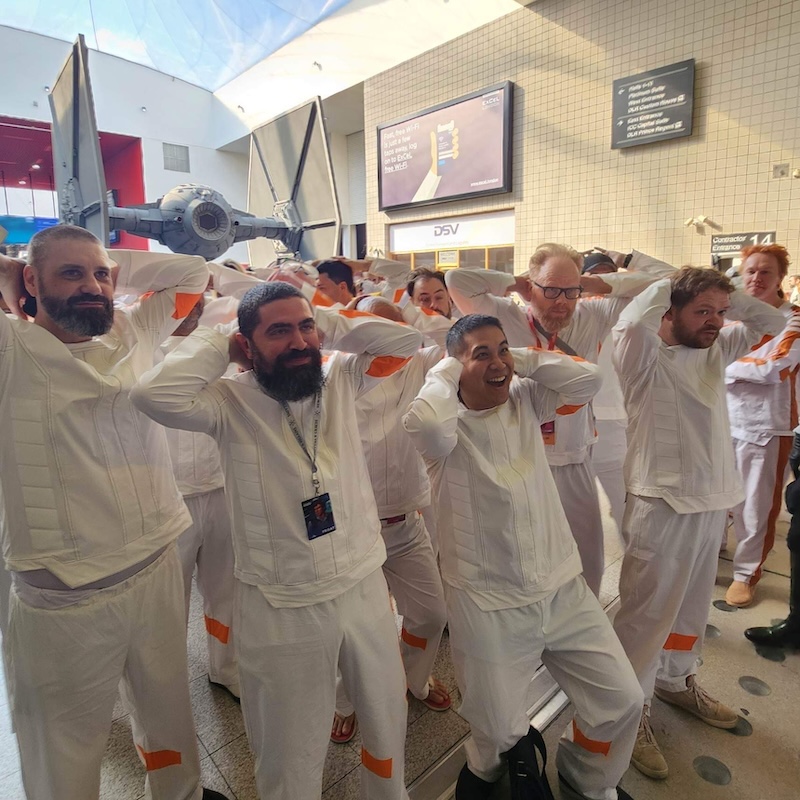
There was a time when liking comics, sci-fi, or computers got you labelled a geek or a nerd. By the early 2000s, that changed. The Matrix, Iron Man, The IT Crowd, The Big Bang Theory—suddenly it was cool to care. Geek culture went global.As scholar Cornel Sandvoss puts it, fandom is the regular, emotionally involved…

I’m a Gen-Xer. I remember life before the web, when social interactions had weight and physicality. I also remember watching the Berlin Wall fall on TV, hearing about the end of the Cold War and apartheid in 1991, and believing—like so many of us who grew up on Star Wars and Star Trek—that the future…
Continue Reading How the 20th Century Shaped the Way We Fan Today
The 501st Legion’s reputation is built on the collective conduct of its members. As our presence has shifted into the digital age, the line between personal expression and club representation has become increasingly blurred with real consequences for how we are perceived by the public and by one another. We continue to see instances where…